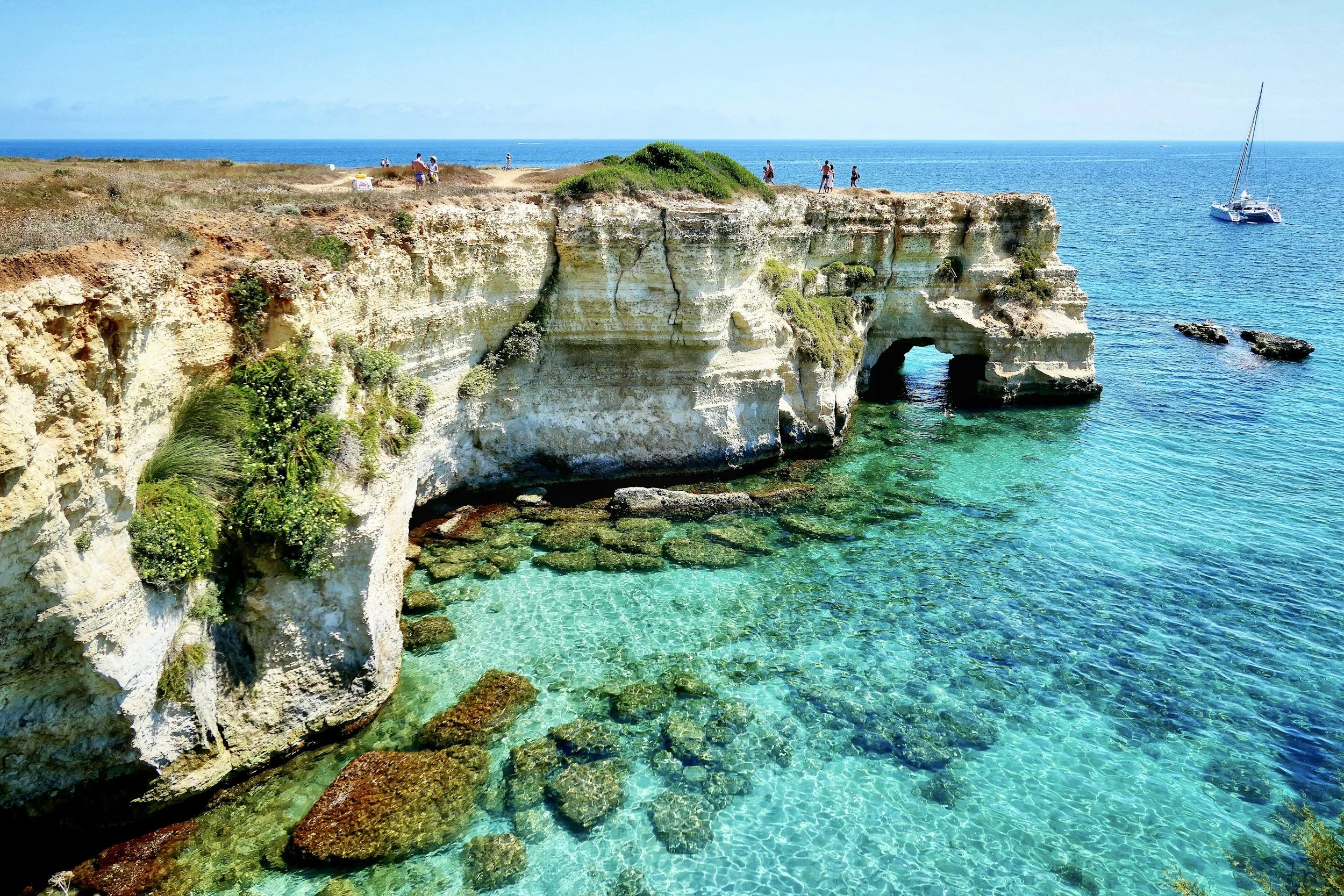
Puglia
Travel through a family lens: where sun-drenched coastlines, ancient trulli villages, and olive-dotted countryside invite slow exploration.
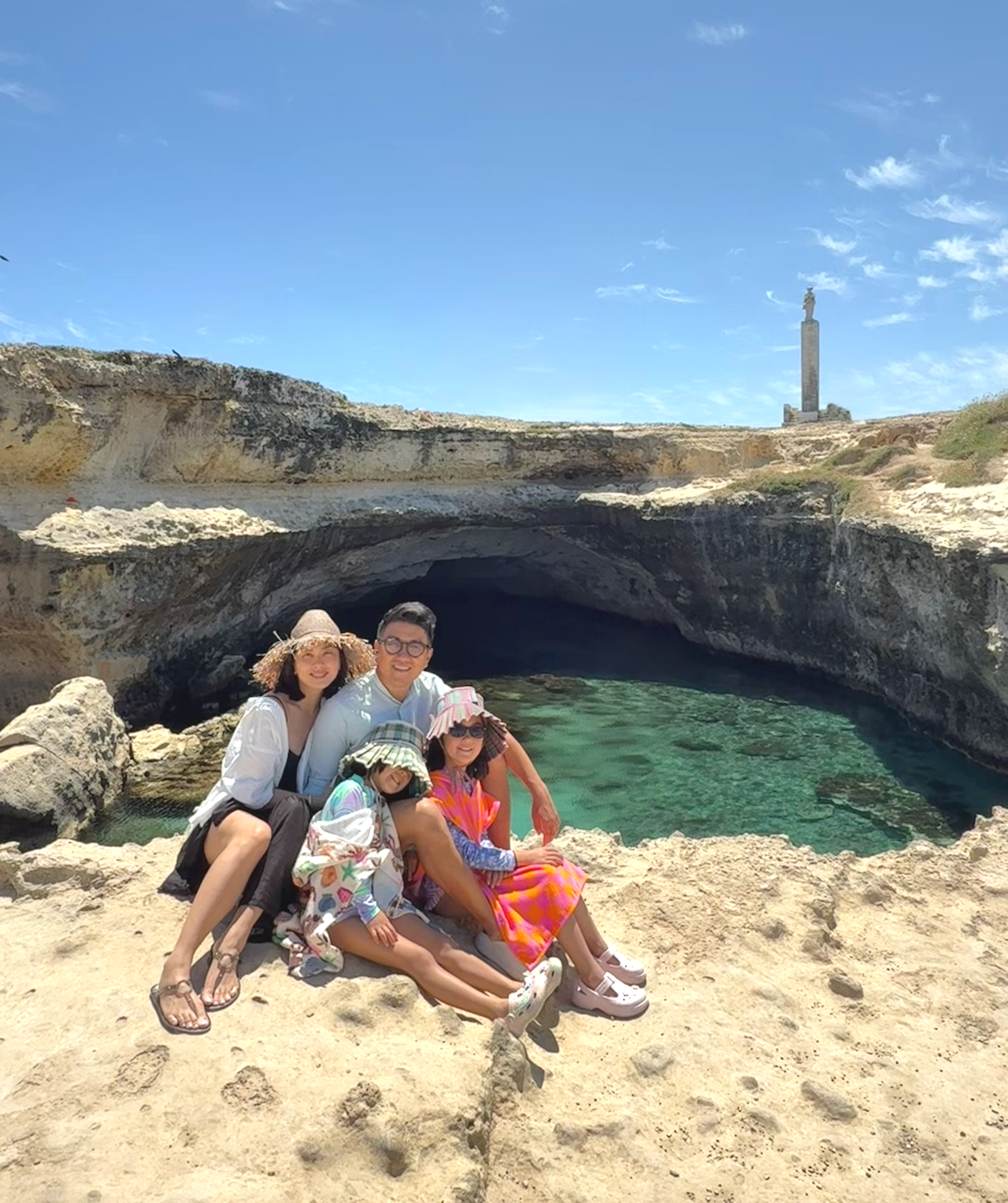
Family Travel Journal
Puglia is frequently named a favorite Italian region by anyone lucky enough to visit—and after spending part of our summer exploring its coastlines, it’s easy to see why. When our co-founder, Annie, insisted that five days was nowhere near enough because every town feels drastically different from the last, I was skeptical. Now, I completely get it.
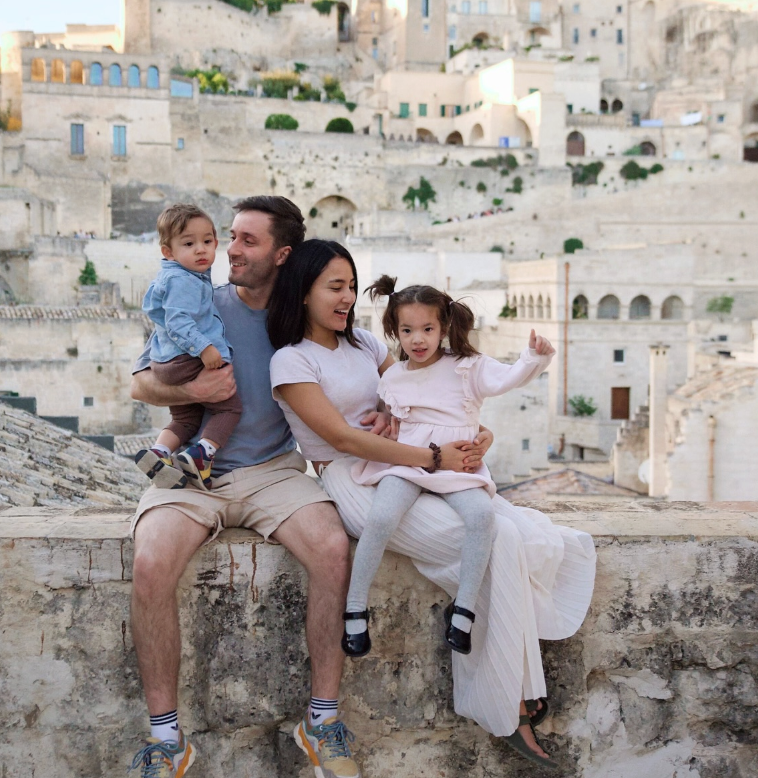
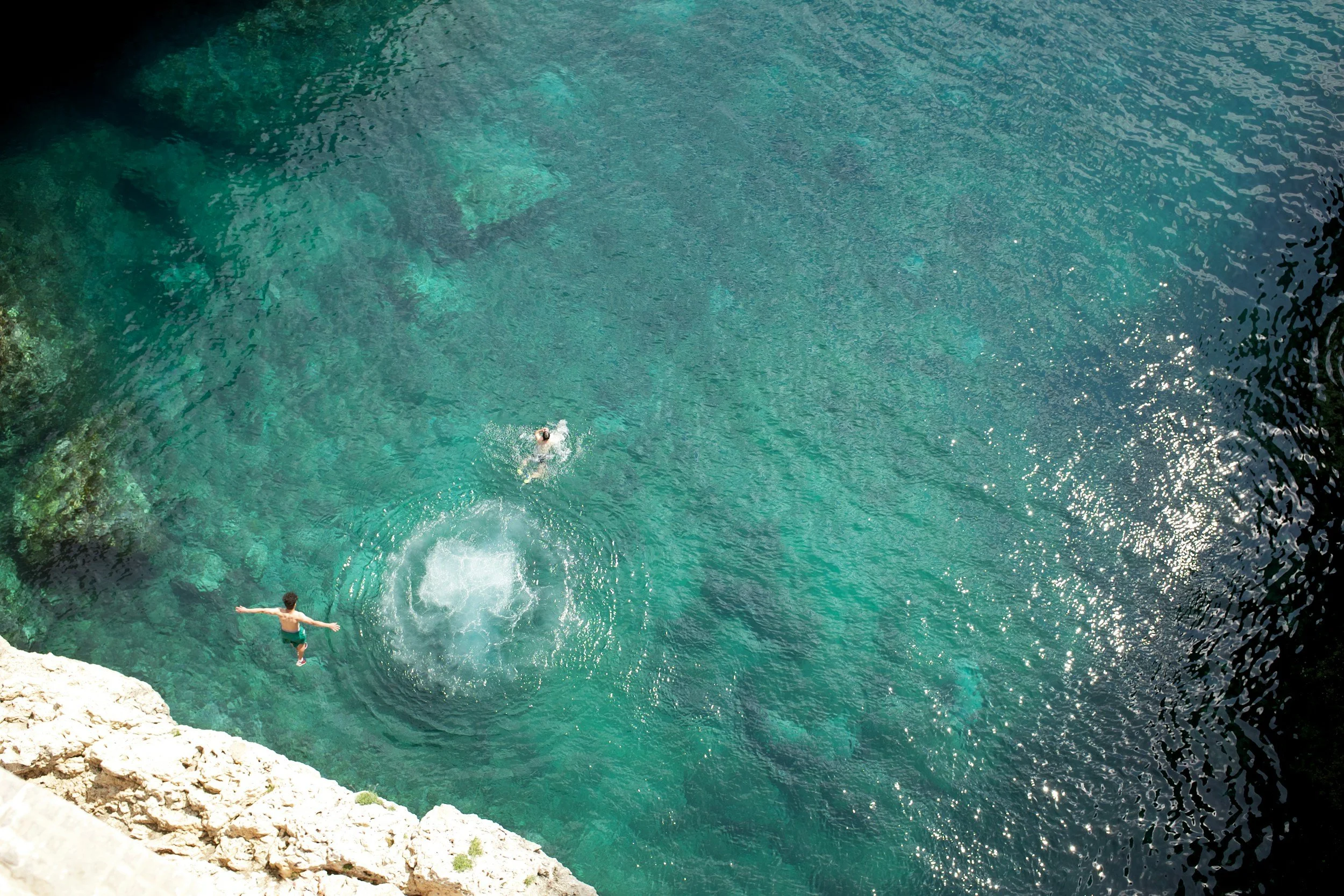
Entering the region with few expectations, a rented car, and a commitment to asking locals for their secret spots, our trip unfolded like a series of distinct chapters. We started in Polignano a Mare, soaking in the cliffside views from the San Michele Suite, navigating sea caves by boat, and chasing local seafood recommendations. Further south in Savelletri, the pace slowed completely at a countryside olive farm masseria, where long pool days, patio breakfasts, and games of hide-and-seek in the groves replaced any sense of urgency. We capped off the journey in Lecce, a vibrant city surprise near the heel of the boot that paired incredible shopping and art with a high-adrenaline family leap into the crystal-clear waters of the Cave of Poetry.
As a side note, I’d completely forgotten that my husband and I had actually visited this region years ago, pre-kids, exploring Grottaglie and Taranto on the western coast. Coming back to experience an entirely different side of the peninsula proved just how vast and uniquely varied Puglia really is. From coastal thrills to slow-living stillness, it delivered the exact blend of family magic we needed—and proved that Annie was right: five days barely scratches the surface.
-Mimi, Cofounder
Quick insights before you dive into planning…
Perfect for: Families not afraid to venture to multiple destinations but also looking for a relaxed, easygoing Italian destination with beautiful scenery, incredible food, and plenty of space for kids to explore. Less touristy part of Italy, but has increasingly become more popular over the recent years as the secret is out.
Ages: All. Italy is very kid-friendly, and Puglia especially well-suited for families thanks to its laid-back pace, walkable towns, and abundance of outdoor time.
When to Visit: Late spring through early fall. Summer is best for swimming, especially along the Adriatic coast and Salento’s white sand beaches, while shoulder season offers pleasant temperatures and fewer crowds.
Trip Length: At least 7 nights, with 10–14 days ideal to explore properly without rushing. Puglia region is varied so you’ll want time to experience it all, rather than try to narrow it down too much.
Combine with: A few days in your international arrival or departure city. Otherwise, Puglia region is enough to fill a full itinerary on its own!
Destination Fit
At a glance
The south of Italy has quietly become a favorite destination for VIPs and prestigious global families and top celebrities, like Madonna, Justin Timberlake, and Helen Mirren.
Located in the heel of the boot and accessed via Bari, it offers a mix of experiences that works especially well for families. There are beaches with both sand and rocky coves, countryside filled with olive groves and farms, and beautifully restored masserias that make relaxing bases. The food is a highlight, with regional specialties that still feel familiar, from fresh pasta to simple seafood and excellent olive oil. It has enough variety to keep kids engaged while still giving adults space to enjoy the setting, all without the heavy crowds of Italy’s more famous destinations.
To understand the region, it helps to think of Puglia in a few distinct parts. The Valle d’Itria is the countryside core, known for trulli houses and towns like Alberobello and Ostuni, along with many of the best masserias. The Adriatic coast is where you will find the region’s iconic rocky beaches, often nestled between small seaside towns, while further south the Salento peninsula offers more white sand beaches and includes the cultural center of Lecce. Rather than a quick stop, Puglia is a place to spend time exploring, whether as a return trip for those who have already seen Italy’s highlights or as a first introduction that offers a more authentic and complete experience from the start.
Our Favorite Things
Traveled, loved, and chosen for you through our family lens.
-
Puglia's accommodations are a destination in their own right, and part of the fun is experiencing the different types of places to stay as you move through the region. From centuries-old farmhouses converted into luxury masserie to boutique cave hotels and seaside villas, the variety is part of what makes Puglia so special.
San Michele Suite - a charming luxury boutique hotel, with only 8 rooms, in the historic heart of Polignano a Mare. Here you will find rooms with the iconic and breathtaking sea views that Puglia is known for.
Borgo Egnazia (Savelletri di Fasano) - one of the most celebrated and ultra-luxury resorts in all of Italy that is a natural fit for families. Built to resemble a traditional Puglian village, it offers spacious family rooms and villas, and exceptional service. This is ideal for families more in sync with resort life, as it caters to foreigners.
Masseria (Savelletri di Fasano) - authentic villas or masserie (farmhouses) are common and a wonderful alternative for families in this region. We stayed at a luxurious olive farm with magazine-worthy guest villas, private pools, and breakfast delivered daily. The slow pace and chance to immerse ourselves in the surroundings and Italian way of life was one of the highlights of the trip.
-
Puglia’s food scene is rooted in simplicity, seasonality, and tradition - often referred to as cucina povera, or “peasant cooking.” Meals are unpretentious, with a strong emphasis on local specialties, just a handful of high-quality local ingredients, and time-honored techniques.
L'Osteria di Chichibio (near Polignano) - on the upscale side; in a beautiful space (think high vaulted ceilings), with warm family hospitality and fresh seafood that you can pick yourself.
Masseria Il Frantoio (near Ostuni) – A standout for a truly authentic dining experience set on a working farm estate. We had a memorable meal that was the epitome of farm-to-table. It’s also a great place to pick up locally produced olive oil and other artisanal products to take home as gifts or souvenirs.
OO Doppiozero (Lecce) - in the heart of Lecce’s historic center, this quaint and delicious restaurant was shared with us by a local. Enjoy the scene, have a few Aperols, and order many starters as a meal!
-
Puglia is a place you experience as much as you see. While there’s plenty to do, the highlights are rooted in its landscapes and traditions. These were our favorite stops:
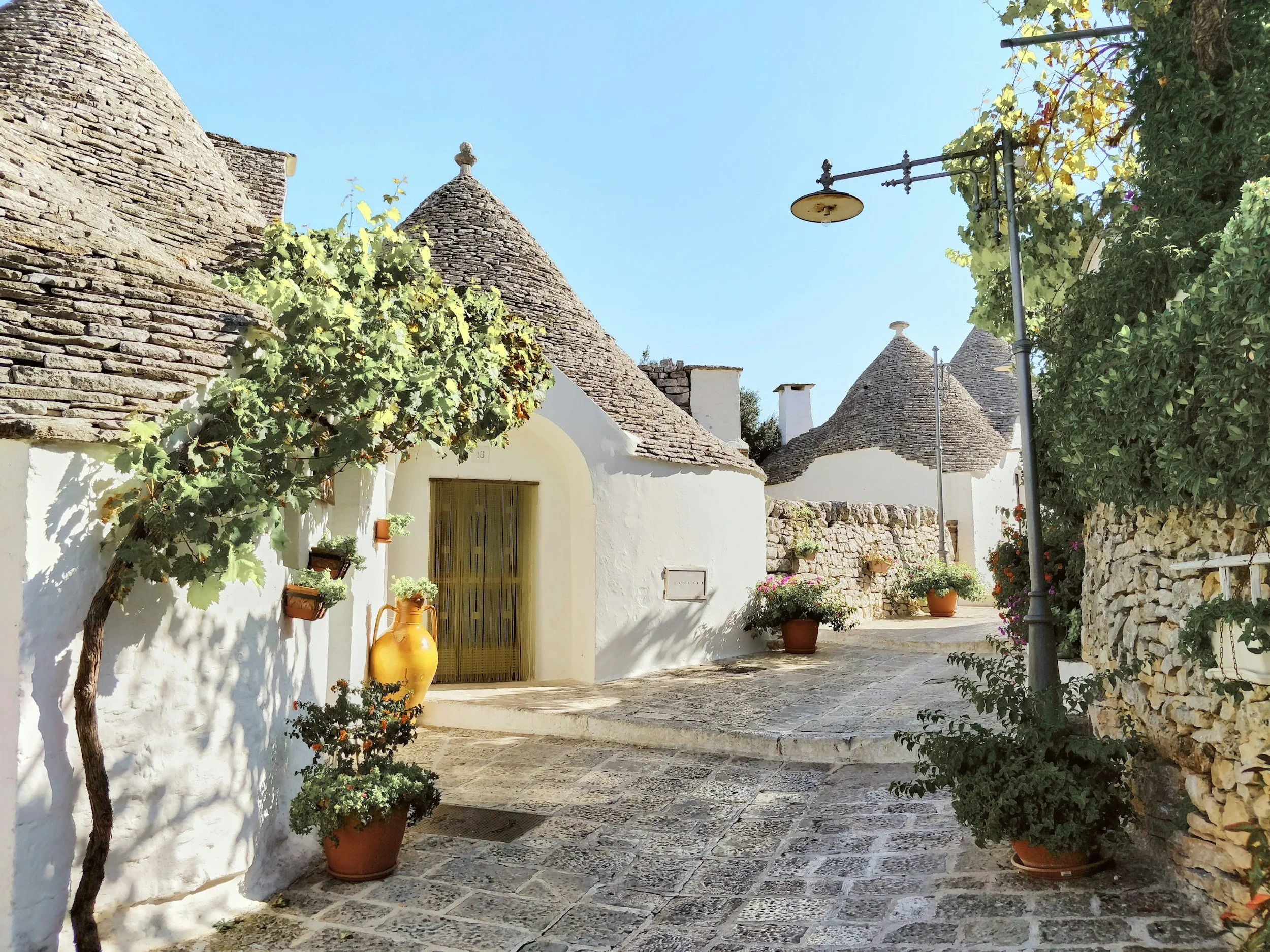
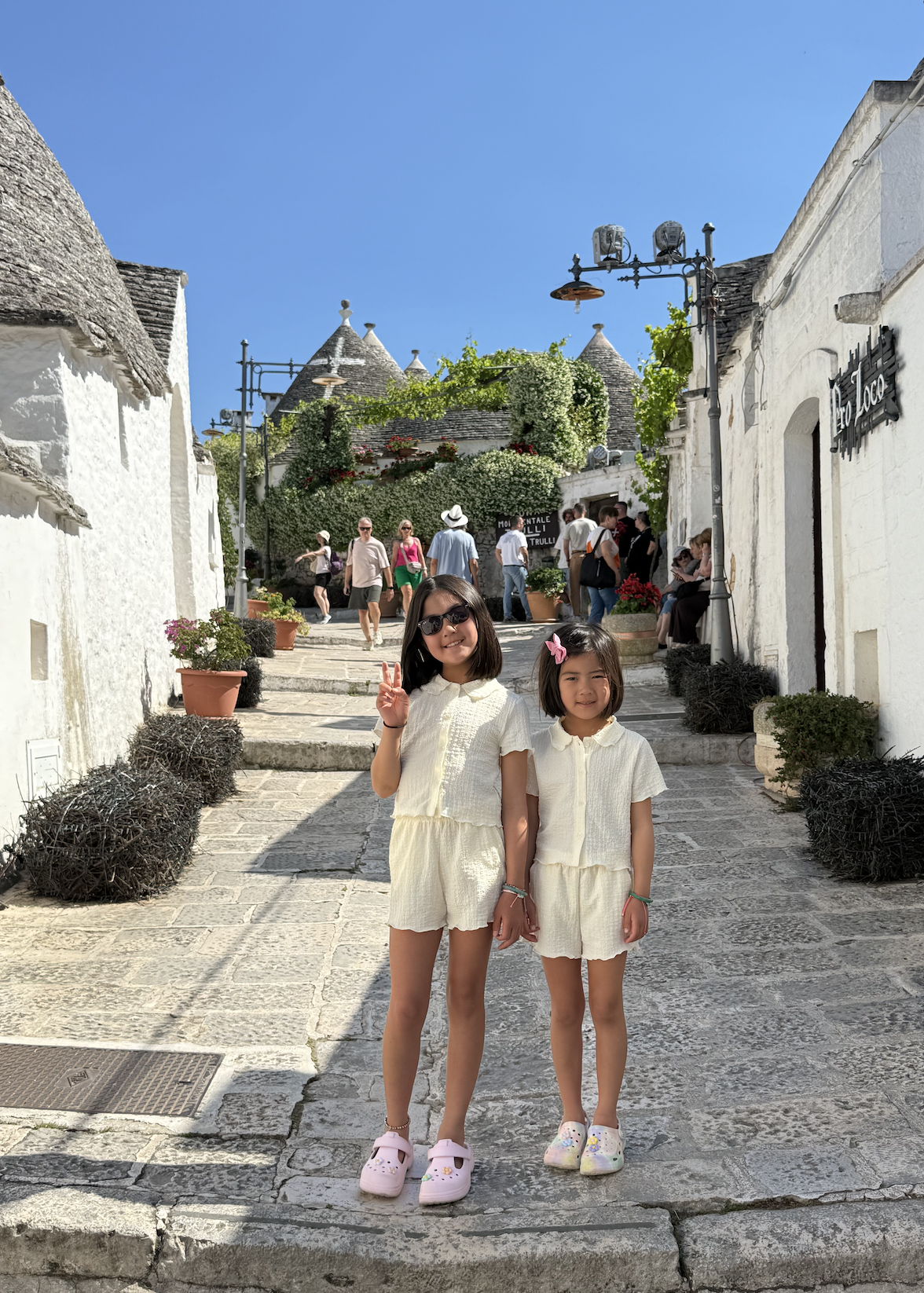
Trulli Houses (Alberobello) – the famous whitewashed stone huts with cone-shaped roofs feel almost storybook-like. Wandering through Alberobello can feel a tad like a tourist trap with the crowds, but you can find other ways to explore it. Go beyond the main streets to find quieter corners for a more authentic feel.
Cooking Class – one of the most memorable ways to connect with Puglia’s culture is through food. Many classes, like the one we chose in Fasano, are hosted in local homes or masserie, often led by a nonna. Our kids picked items from their small garden, prepared tiramisu, and learned how to make classics like orecchiette and ravioli from scratch and by hand. Then, of course, we feasted, so make sure to come hungry.
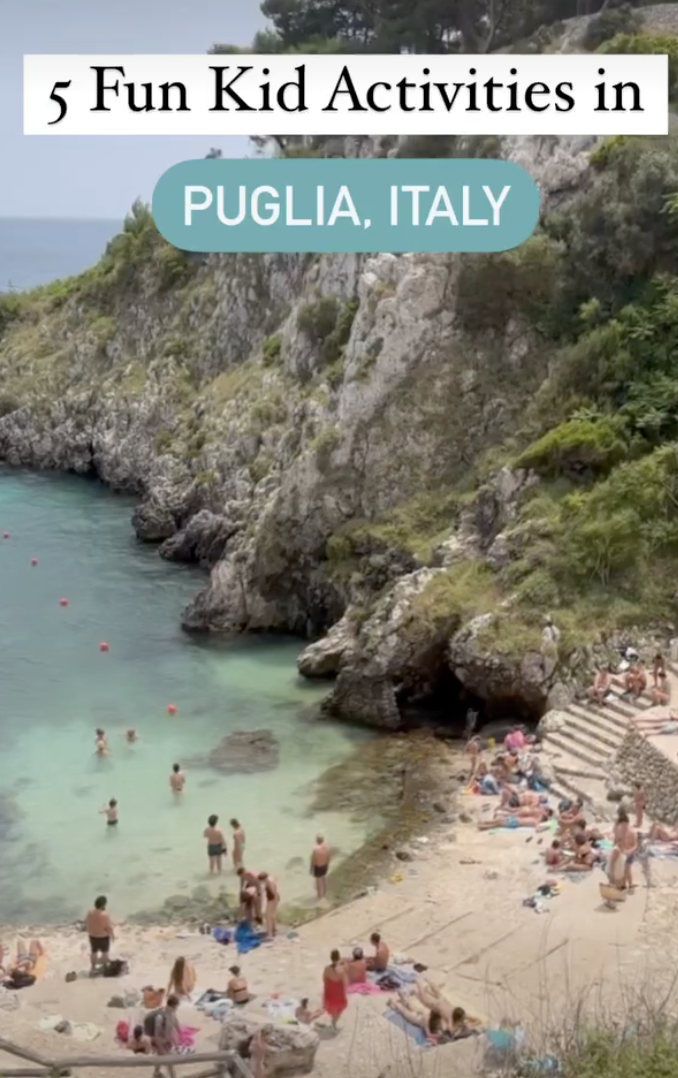
Rock Beaches (Adriatic Coast, near Lecce) – along the Adriatic side, the coastline is dotted with dramatic rock formations, clear turquoise water, and hidden coves nestled between cliffs. Cliff jumping was an exhilarating experience for everyone, including the kids.
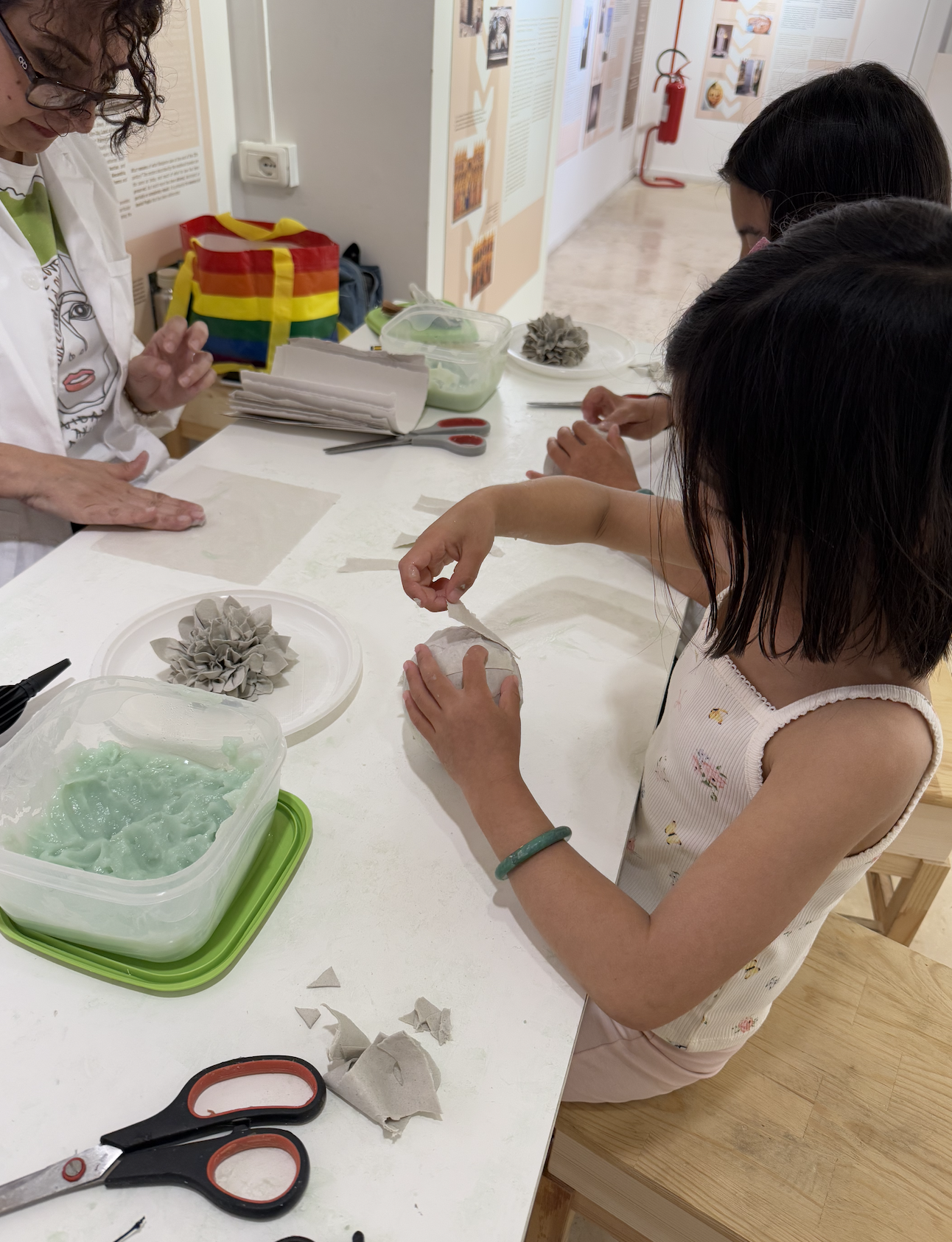
Papier Mâché Class (Lecce) —this was rated as one of our kids’ favorite activities during the trip. It combined culture and history with hands-on fun. The art of papier-mâché, known locally as cartapesta, flourished in Lecce during the 17th and 18th centuries as a way to decorate churches and craft lightweight statues for religious processions.
Boating (Polignano) - if you can, charter a private boat tour, as this is the best way to explore the iconic coastline in Polignano. Seeing it from the water and within the caves was a highlight for the kids, not to mention relaxing for us parents, and we ended our time with a jump and swim.
-
Puglia offers a mix of local artisan workshops, independent resortwear boutiques, and food producers.
Key Artisan Towns & Specialties
Grottaglie (The Ceramics Capital) - located near Taranto, the entire Quartiere delle Ceramiche (Ceramics District) is dedicated to pottery. Look for the iconic Pugliese pumo (a ceramic rosebud symbolizing good luck) and traditional speckled splashware plates (schizzata). Top workshops include Enza Fasano and Fasano Ceramiche.
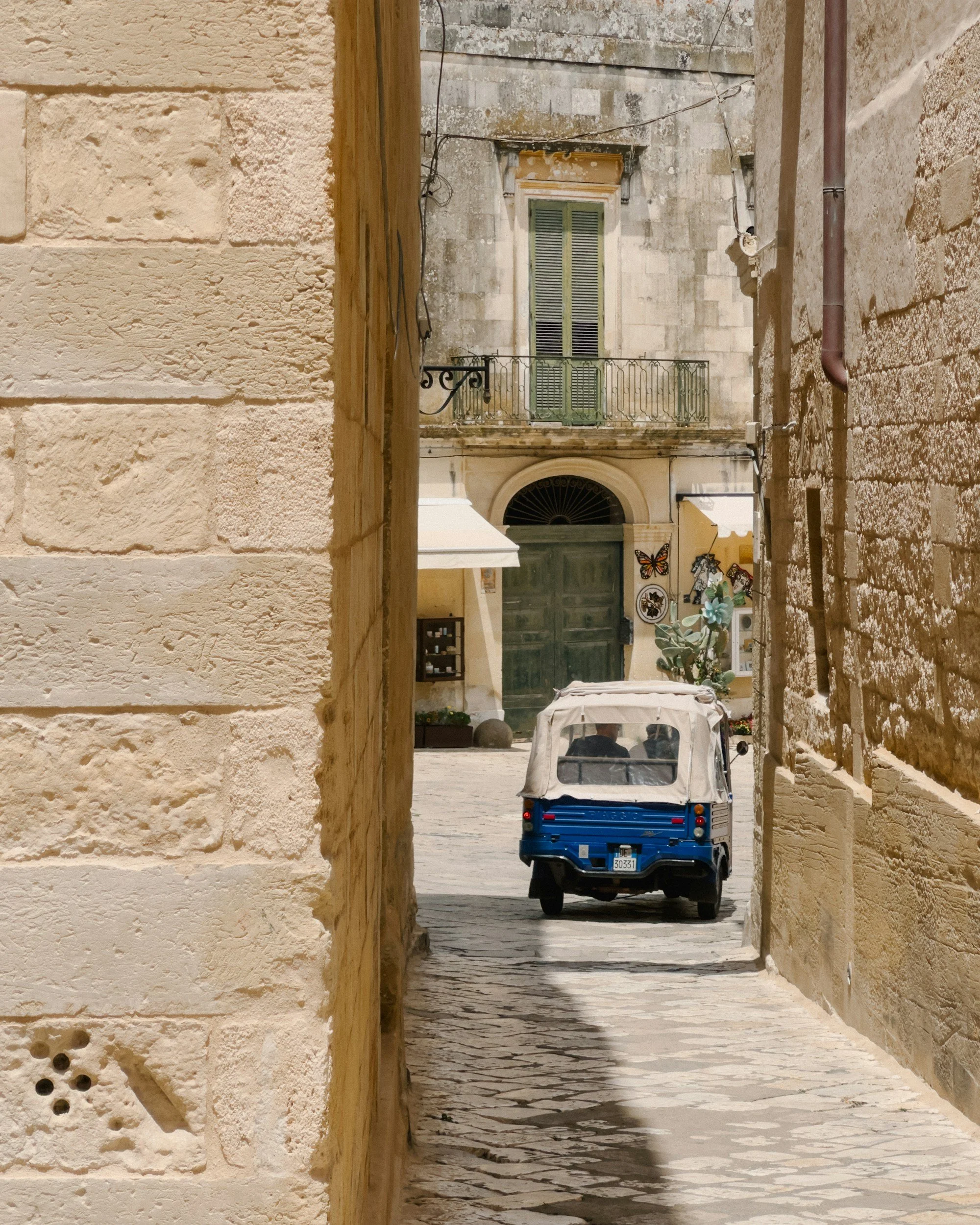
Lecce (Boutiques & Papier-Mâché) - famous for Baroque architecture, Lecce's historic center (Centro Storico) is home to independent clothing boutiques, artisanal leather goods, and traditional cartapesta (papier-mâché) studios.
Ostuni & Cisternino (Resortwear & Linen) - ideal for Mediterranean style: lightweight linen dresses, handmade leather sandals, and woven straw bags tucked into white-washed alleyways.
Martina Franca (Antiques & Textiles) - known for handwoven textiles, tailored clothing, and a large monthly antique market.
There's so much more to explore. Reach out for a comprehensive list of our favorite spots (including more hidden gems we discovered) or book a bespoke full-trip planner.
Tips
Where to visit
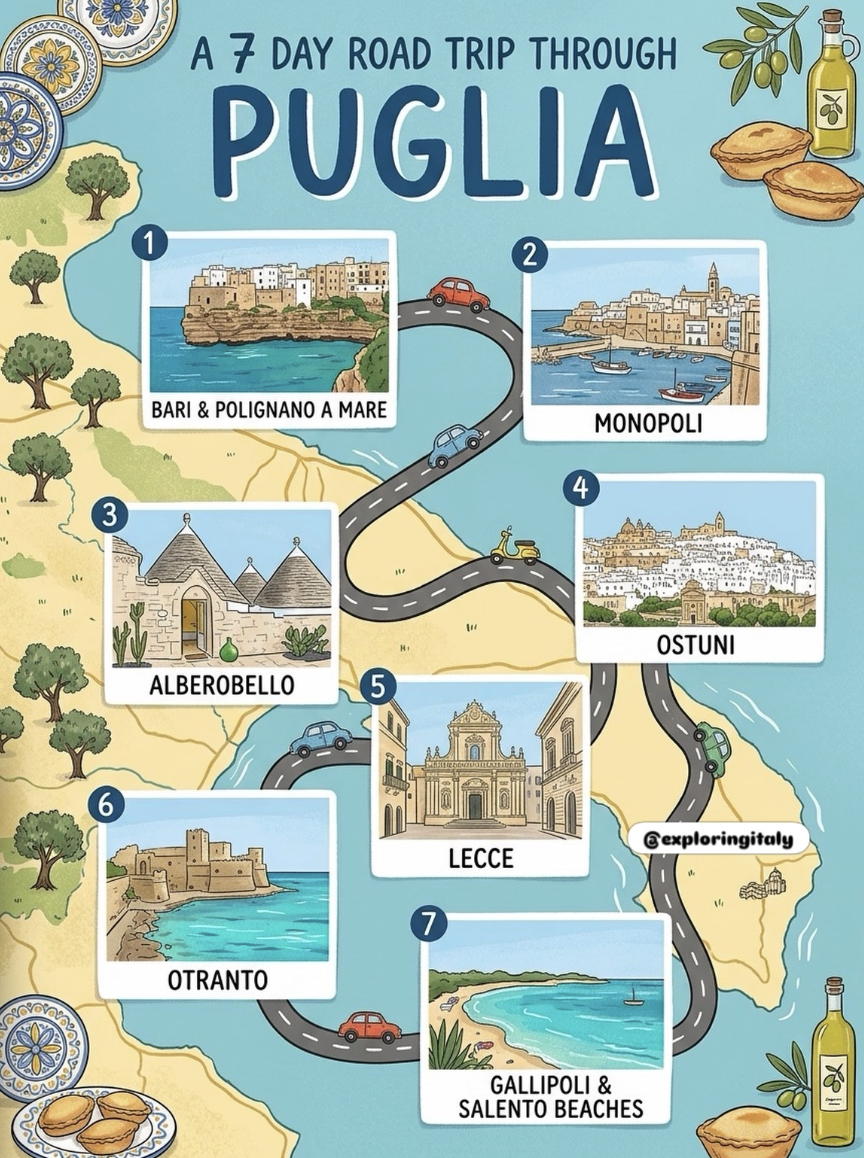
Puglia is a large and diverse region with many worthwhile stops, and different travelers will likely have very different itineraries based on their interests. Here are a few can’t-miss places to consider based on priority:
Iconic sights and vibes: Monopoli/Polignano (rocky coast) and an olive farm near Ostuni (countryside).
Culture & food: Cisternino (Valle d'Itria food scene) and Lecce (Baroque art & dining).
Beach & adventure: Otranto (sea caves & swimming) and Gallipoli (sandy Ionian beaches).
Getting around
A car is a must. While major cities like Lecce and Bari have trains, accessing remote masserie (farmhouses), hidden beaches, and small villages requires a car. Book an automatic early if you don't drive manual (we have a funny story on that note!).
How to avoid tourist traps
When exploring the Alberobello area, visit the main commercial Trulli zone for a 1–2 hour walk early in the morning before 9:00 AM, then head into the countryside of the Valle d'Itria. There, you can find authentic, working trulli dotted naturally along the backroads between Cisternino, Locorotondo, and Martina Franca without the crowds.
Stay at a Masseria
For the most authentic experience, spend at least a couple of nights in a converted fortified farm estate. They offer slow-paced luxury, swimming pools, and farm-to-table dining among ancient olive groves. This is a true Italian travel experience you and your children will appreciate.
Book ahead for LIDOS
Popular beach clubs (lidos) get fully booked in peak summer. Reserve sun loungers in advance if visiting between July and September.
Know your coasts
The Adriatic side (Polignano, Monopoli) features dramatic limestone cliffs and rocky coves, while the Ionian coast (near Gallipoli) offers long, shallow sandy beaches with calmer waters.
Watch Out for ZTL Zones
Most historical centers (Centro Storico) are restricted driving zones (Zona a Traffico Limitato). Always park outside the old town walls to avoid heavy fines.
Trusted Family Voices…
-
![]()
Ivy, travel age 6
“Papier mache was my favorite because it was my first time. I made a baby. I used a lot of glue and it was messy but the teacher helped me. I also really liked learning how to make pasta! “
-
![]()
See on Instagram
"Save this for the best October half term trip inspiration 🇮🇹"
-
![]()
Liv, travel age 10
“Cliff diving was crazy. I still can’t believe we jumped from that high. The water was cold but it was so much fun. Then we got ice cream after. The best day.”
-
![]()
Map on Instagram
“🇮🇹 A 7-Day Road Trip Through Puglia”
-
![]()
Watch on Instagram
“5 FUN KID ACTIVITIES IN PUGLIA, ITALY.
Parents - these activities may end up at the top of your list too, have fun…”
Ready to make this trip yours?
Our curated destination guides are a great start to make extraordinary trips doable. Upgrade to our Customized Itinerary to turn inspiration into a trip designed just for your family, without the planning hassle, time, or stress.